Yes— documented service history can help increase a Rolex’s resale value, but it rarely adds a fixed amount on its own. In a resale transaction, records matter because they help a buyer assess how the watch was maintained, what work has been done, and whether potential expenses may be coming due. That can make a well-documented watch easier to sell and give its owner a stronger negotiating position.
Service papers are not a substitute for condition, authenticity, model demand, or a credible seller. A desirable Rolex in excellent shape may still attract buyers without a complete service file, while a less sought-after reference will not become a hot seller just because it has invoices. The practical advantage is that rolex maintenance records can reduce uncertainty—an important part of building buyer trust used rolex shoppers need before committing to a significant purchase.
That advantage is worth understanding in 2026, as the Rolex secondary market continues to recover from the post-2022 correction. Prices, however, vary substantially by reference and condition. A broad market trend cannot tell you precisely what one watch is worth, and service documentation should be considered as one factor Additional hints in a complete valuation.
How service history can affect resale value
A service record is evidence, not a price guarantee. It can support a higher offer when it answers buyers’ questions clearly: who serviced the watch, when the work took place, what was repaired or replaced, and whether the watch was tested after service. The more complete and verifiable the documentation, the more useful it is during a sale.
For a prospective buyer, an undocumented watch may raise reasonable questions. Has it been serviced recently? Is it running within an acceptable range? Are there signs of moisture intrusion or poor-quality repair? A service receipt from a reputable source does not resolve every concern, but it can help establish a maintenance timeline and make the watch’s history easier to evaluate.
- It can reduce perceived risk: Buyers may feel more comfortable when recent maintenance is supported by paperwork. It can help justify an asking price: A seller can show what was done rather than relying on a verbal claim. It can support a smoother transaction: Clear records may shorten the back-and-forth during an offer or consignment intake. It may reveal upcoming costs: A dated service record helps buyers understand when the last documented work occurred.
There is an important distinction between value and marketability. Records can make a watch more appealing and easier to sell, but they do not automatically translate into a predictable dollar premium. A dealer’s buy offer, a private sale, and a consignment result may all reflect the same service history differently.
What buyers want to see in Rolex maintenance records
Useful documentation is specific and consistent. Buyers are generally looking for records that identify the watch or clearly connect the work to it, along with an understandable account of the service. Original paperwork is helpful, but legible copies can still be useful if their source and connection to the watch are credible.
Record or detail Why it matters to a buyer Service date Helps establish the maintenance timeline. Service provider Allows the buyer to assess who performed the work. Work description Shows whether the visit involved a full service, a repair, or a limited adjustment. Parts or components addressed May clarify what was replaced or retained, subject to verification. Testing or warranty information Can provide additional context about the watch after service.Keep any invoices, service cards, correspondence, and warranty information together. If a watch has been serviced more than once, a chronological file is especially helpful. Be candid about gaps. A missing receipt is not proof that a watch was neglected, and a stack of paperwork is not proof that the watch is currently authentic or mechanically sound.
Service history is not the same as a current condition assessment
A watch that was serviced several years ago still needs to be evaluated as it exists today. A record documents work at a particular time; it does not guarantee present performance, water resistance, originality, or cosmetic condition. Conversely, a watch without a recent service may be functioning well. Buyers and professionals may still want to examine it before assigning value.
There can also be a trade-off https://dibz.me/blog/how-do-i-know-if-my-rolex-has-replacement-parts-1280 between cosmetic restoration and collector preference. Some buyers appreciate a clean, professionally maintained watch. Others pay close attention to whether the case, dial, hands, bracelet, and other components remain original. Documentation can make the history more transparent, but it does not erase the importance of what was changed or how the watch presents now.

From the 2022 slump to a 2026 recovery
Rolex resale prices rose sharply during the extraordinary demand and supply imbalance around the pandemic-era boom. By 2022, many popular models were changing hands at elevated prices. As speculative demand eased, financing costs and wider economic uncertainty shifted, and buyers became more price-sensitive, the secondary market corrected from those peaks. The decline did not affect every model equally: highly sought-after references, less-common configurations, and more ordinary examples followed different paths.
After the post-2022 slump, the market moved through a period of adjustment rather than returning immediately to its former highs. Buyers increasingly compared asking prices with completed transactions, and sellers had to account for the fact that a reference’s peak-era price was not necessarily its current market value. By 2026, a recovery was evident in some market measures, but it should not be confused with a universal surge across every Rolex.
For example, Rolex secondary-market prices rose 1.7% in Q1 2026 vs the previous quarter. That is a useful snapshot of a quarter-to-quarter move, not a promise that an individual watch gained 1.7% or that all references appreciated. The model, configuration, condition, completeness, and sale channel still matter.
This distinction is particularly relevant when discussing service records. During a falling market, documentation may help a seller stand out and reduce concerns, but it cannot shield a watch from a broad price correction. During a recovery, better buyer confidence may help a clean, well-documented example compete effectively—yet pricing still depends on comparable sales and current demand.
How to track the Rolex resale market
Good pricing decisions come from using multiple types of information. Asking prices show what sellers hope to receive; completed sales and buy offers provide different evidence of what the market is actually accepting. Neither a single listing nor a headline index should be treated as a definitive valuation for one watch.
- WatchCharts is a watch-pricing platform that tracks market estimates and price trends across brands and references. It can help owners follow broader movements, but estimates should be checked against the exact reference and the watch’s condition. EveryWatch is a watch-auction platform that helps users review auction information and historical results. Auction outcomes may provide useful comparables, though fees, venue, sale date, and the exact configuration can affect how relevant a result is. Dealer offers and completed private sales provide additional context. A wholesale buy offer is not the same as a retail asking price or a final private-sale amount.
For general context, coverage from the Los Angeles Times may describe luxury-market conditions and consumer trends, while Morgan Stanley research can offer broader financial and industry analysis. Such sources can help explain the environment around luxury watches, but neither replaces watch-specific transaction evidence. When comparing data, check the reporting period, what is being measured, and whether the figures concern asking prices, estimates, or completed transactions.
A practical comparison should match like with like: the same reference where possible, similar materials and dial configuration, comparable condition, and a similar level of completeness. Service history then becomes a meaningful adjustment in the conversation—not a substitute for finding appropriate comparables.
Certified Pre-Owned and resale credibility
Rolex Certified Pre-Owned, often shortened to CPO, has added another prominent route for buying a pre-owned Rolex through participating retailers. Eligible watches are checked under the program’s requirements, and CPO watches are sold with Rolex certification and an international two-year guarantee. That framework can appeal to buyers who place a high value on an established authentication and purchase process.
CPO credibility and service history are related, but they are not identical. A CPO designation is tied to the program’s process and conditions; a private seller’s maintenance file is a separate record of prior work. A watch with documented servicing may still need authentication and inspection, while a watch offered through a credible program may give the buyer reassurance through the program’s own checks and guarantee.
For resale, the CPO channel can influence expectations around provenance, verification, warranty, and price. It is not safe to assume that every pre-owned Rolex with service papers will qualify for CPO, or that a CPO watch will always command a particular premium. Buyers should compare the total offer—including service, warranty, condition, and seller confidence—rather than looking at the label alone.
Should you service a Rolex before selling it?
Not automatically. A full service can be a substantial expense, and the cost may not be recovered in the sale price. If the watch is running properly and a buyer or dealer can assess it, servicing solely to make the listing sound more impressive may not be the best financial decision. If it has a known problem, service may improve its sale prospects, but get an estimate and compare that cost with likely offers in its current condition.
Before deciding, consider these steps:
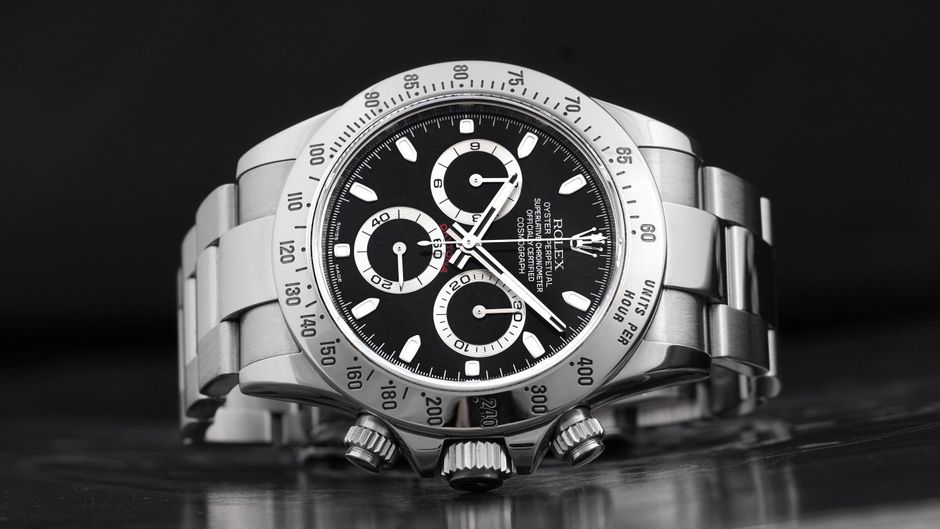
Gather existing records. Collect service invoices, warranty documents, and any paperwork that identifies the watch and the work performed. Establish a realistic market range. Check comparable examples and distinguish asking prices from completed sales or trade offers. Ask for an evaluation. A reputable watch professional can assess condition and advise whether a mechanical issue is affecting marketability. Compare the net outcome. Weigh service costs, time, and possible resale impact against selling the watch as-is with transparent disclosure. Preserve the watch’s existing condition. Avoid cosmetic work or component replacement without understanding how it may affect buyer preference.
The bottom line
Documented service history can support Rolex resale value by building confidence, reducing uncertainty, and helping a seller explain the watch’s maintenance. Its strongest effect is often on buyer comfort and marketability rather than a guaranteed premium. The value of the records depends on their clarity and credibility, while the watch’s reference, originality, condition, completeness, and current demand remain central.
In a recovering 2026 market, use pricing tools such as WatchCharts and auction information from EveryWatch as research aids, not as promises of what your particular watch will sell for. Compare relevant transactions, be transparent about the watch’s history, and have its condition assessed. That combination gives buyers a clearer picture—and gives a seller a more defensible basis for the asking price.