Published: October 6, 2026 at 11:18 AM PDT
A Rolex collateral loan lets you borrow money using your watch as security. The lender evaluates the watch, offers loan terms, and—if you accept—holds the watch while the loan is outstanding. Repay the loan according to the agreement and you can get rolex back after repayment. If you do not repay as agreed, the lender may have the right to keep or sell the watch, subject to the contract and applicable law.
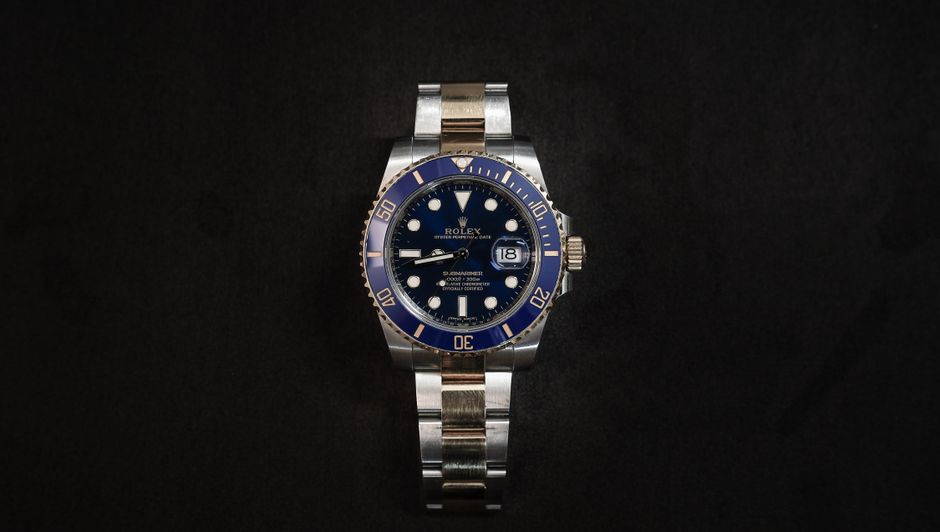
The details matter. The exact reference, condition, originality, current demand, and loan terms all affect the outcome. I’ve handled enough intake conversations to know that “it’s a Submariner, you know the one” is not a useful starting point. Get the reference right first, then discuss value.
This guide explains the process step by step, including what to prepare, how a lender may assess your watch, and what to check before signing. It’s general information, not a quote or legal advice; lending rules and contract terms can vary by provider and location.

First: What Is a Rolex Collateral Loan?
A collateral loan is a secured loan. You pledge an asset—in this case, a Rolex—as collateral. The lender assesses the watch and offers a loan amount and terms. If you accept, the lender takes custody of the watch for the loan period. The amount you receive is generally based on the watch’s value to that lender, not necessarily the highest price you might achieve through a private sale.
That distinction is important. A loan is not the same as selling your watch. With a sale, ownership transfers in exchange for payment. With a collateral loan, you are borrowing against the watch and may reclaim it after meeting the repayment obligations. Be clear about which transaction you are being offered.
Step 1: Identify the Exact Reference
Before asking for a price, identify the model’s reference number. Rolex watches can look similar while differing in metal, bezel, dial, bracelet, production period, and market demand. Those differences can have a meaningful effect on value and loan eligibility.
Look for the reference on your paperwork or have a knowledgeable professional help identify it. Depending on the watch, the reference may be found on the case or recorded in the original documentation. Don’t rely on a nickname or a broad model family alone. When you contact a lender, provide the reference, approximate year, metal, dial and bezel details, and any known modifications.
Also note the serial number privately for your records. Share it through the lender’s secure intake process when requested; avoid posting it publicly. If the reference is uncertain, say so rather than guessing. An inaccurate reference can lead to a misleading estimate and wasted time.
Step 2: Gather the Watch and Its Accessories
Make a simple inventory before the appointment. Include the watch itself and any items you have, such as the box, warranty card, receipts, service records, extra links, or hang tags. Photograph the watch from several angles, including the dial, clasp, case sides, bracelet, and any visible marks.
Paperwork and accessories can help establish provenance or support identification, but they do not replace examination of the watch. A complete set may be attractive to a buyer, yet the lender will still assess the actual watch, its condition, and its originality. Conversely, a watch without a box or card may still be eligible for a loan. Ask the lender what it requires before making a trip.
Step 3: Request an Evaluation and Understand the Offer
The lender may ask for clear photos or an in-person inspection. Expect questions about the reference, age, service history, condition, and whether parts have been replaced. The lender may inspect the movement and other details using its own process or a qualified specialist. Never assume that a photo-only estimate is final; it may change after hands-on inspection.
Ask how the lender arrived at the offer. A useful explanation should distinguish the watch’s estimated market value from the amount it is willing to lend. The funds based on watch value are generally affected by the lender’s risk, resale channel, operating costs, and the time and expense involved in handling the collateral.
Market cycles matter. Prices can rise or cool as buyer demand, availability, and broader economic conditions change. A headline from a previous boom—or a listing that has been sitting unsold—is not a reliable current valuation. Online marketplaces can provide a private-sales reference, but asking prices are not the same as completed transactions, and private sales carry their own risks and costs.
For example, if a watch appears in online marketplace listings at a certain asking price, that does not mean a lender will offer that amount as a loan. The lender may use a more conservative estimate and lend only a portion of its assessed value. The figures below are illustrative only, not a Rolex valuation or a loan quote.
Illustrative item Example only Possible private-sale asking reference $12,000 Lender’s assessed collateral value $10,000 Illustrative loan amount $6,000These numbers are not current market guidance. The actual offer depends on the specific reference and watch, the inspection, lender policy, and the terms in writing.
Step 4: Review the Loan Terms Before Handing Over the Watch
Read the entire agreement before signing. Confirm the principal amount, interest or finance charges, fees, repayment dates, renewal or extension options, and the total amount needed to redeem the watch. Check what happens if you miss https://technivorz.com/can-i-sell-a-rolex-without-papers-and-still-get-a-fair-offer/ a payment or reach the end of the term without repaying.
Ask directly:
- What is the full redemption amount if I repay on the scheduled date? Are there storage, evaluation, late, or other fees? Can I renew or extend the loan, and what does that cost? What is the process if I cannot repay on time? How and where will the watch be stored? What identification or receipts will I need to reclaim it?
Terms can differ between providers, so compare the written total cost and repayment conditions—not just the amount offered. A lender should explain what happens to the collateral if you default. If the contract is unclear, ask for clarification before signing. A rushed decision is a poor way to handle a valuable watch.
Step 5: Complete Intake and Transfer Custody
If you accept the offer, the lender will typically verify your identity, document the watch, and provide a receipt or loan record. Review that record carefully. It should identify the transaction and the collateral clearly enough that there is no confusion about which watch you left.
At intake, make sure any agreed condition notes are recorded. Photograph the watch immediately before handover and keep copies of the paperwork and communications. The lender holds the watch during the loan term, so confirm the lender’s custody and storage procedures and retain the contact information for questions or repayment.
Be cautious about unfamiliar meetups or informal handovers. In my running list of parking-lot meetup horror stories, the common thread is a seller or borrower arriving without verifying who they are dealing with, what the written terms say, or how the watch will be documented. Use a reputable, properly licensed provider, verify its business details, 61 day loan term and follow a secure intake process. Don’t send a high-value watch to an unknown party based only on a text conversation.
Step 6: Receive the Funds and Track the Due Date
Once the lender completes its checks and both parties sign, funds may be provided using the method specified in the agreement. Confirm the amount received matches the contract and save the receipt. Put the due date and any payment milestones on your calendar. Keep the agreement, payment records, and lender contact details together.
Contact the lender early if you think you may need an extension or cannot make a payment. Do not assume that a phone conversation changes the written agreement. Ask for any extension, revised amount, or deadline in writing, and confirm the consequences of accepting it.
Step 7: Repay and Get Your Rolex Back
To get rolex back after repayment, follow the lender’s redemption instructions and pay the amount required under your contract by the deadline. Request confirmation that the balance is paid and arrange the return or pickup of the watch. Bring the required identification and loan receipt, and inspect the watch before leaving.
Check that the watch and any accessories being returned match the intake record. If you notice a discrepancy, raise it immediately and ask for it to be documented. Keep proof of repayment and the completed transaction record. The exact redemption process depends on the provider and agreement, so don’t wait until the last minute to learn what is required.
Condition and Originality: What Matters More Than a Paper Trail?
Condition and originality are not identical. Condition concerns wear and damage: scratches, dents, bracelet stretch, crystal chips, dial condition, and whether the watch is functioning as expected. Originality concerns whether components are consistent with the watch and its specification. A service replacement may be legitimate, but it can affect how a lender evaluates the watch. Disclose known changes rather than hoping they will go unnoticed.
Paperwork can be helpful, but it is not a substitute for the watch. A warranty card does not automatically prove every component is original, and a missing box does not automatically make a watch ineligible. Avoid polishing, replacing parts, or arranging unnecessary work just before an evaluation without first asking the lender. Such work can cost money and may not improve the loan offer.
Common Mistakes to Avoid
- Using a vague model description: Start with the exact reference, not “the black Sub.” Anchoring to old headlines: Market cycles change; compare relevant, recent information. Treating asking prices as sale prices: Online marketplaces are a private-sales reference, not a guaranteed payout. Confusing loan value with retail value: A lender’s offer reflects its own risk and costs. Ignoring fees and deadlines: Calculate the full redemption amount and understand default terms. Assuming paperwork outweighs condition: The actual watch and its originality still matter. Handing over the watch without records: Get the custody and intake details in writing.
How to Compare Providers
Contact more than one reputable provider if time allows. Give each the same reference and accurate description so you are comparing like with like. Ask how its process works, what identification it requires, how it secures the watch, and what the total repayment amount would be. A transparent explanation is more useful than a confident number with no reasoning behind it.
When researching providers, distinguish independent business information from advertising, sponsored material, and editorial coverage. A name appearing in a publication or creative portfolio is not, by itself, proof of lending credentials or an endorsement. For instance, mentions of the San Diego Union-Tribune, Ascend Agency, or Studio 1847 should not be treated as verification of a lender’s license or loan terms. Verify the lender directly with the relevant authorities and review its written contract.
If you use a page with a Trinity Audio player, listen for convenience, but read the agreement and important disclosures yourself. A narrated overview cannot replace the lender’s signed terms. Likewise, use online marketplaces only as one reference point; listings may be stale, incomplete, or priced above what a buyer will actually pay.
Bottom Line
A Rolex collateral loan can provide short-term funds without requiring an outright sale, but it puts a valuable watch at risk if you do not meet the agreement. Identify the exact reference, prepare accurate details, compare the lender’s offer with current and relevant market information, and understand the total cost and default process before committing. Document the handover, track the due date, and follow the redemption steps carefully.
The best loan conversation starts with specifics: the reference, condition, originality, and the terms you can realistically repay. If a provider will not explain its offer or the consequences of nonpayment, pause and get clear answers before leaving your watch in anyone’s custody.