After a Florida storm, homeowners often discover that two numbers on an insurance policy do very different jobs. Dwelling coverage is the policy limit for repairing or rebuilding the home. A hurricane deductible is the amount you may have to pay toward a covered hurricane loss before the insurer pays its share.
That distinction matters because hurricane deductibles are usually percentage-based in Florida. A percentage that looks small on a declarations page can translate into a five-figure bill when it is applied to the home’s insured value. And after a storm, finding cash or arranging new credit may be harder than expected.
This guide explains the dwelling coverage definition, how a deductible percentage works, and which policy basics Florida homeowners should check before hurricane season. It also covers practical ways to prepare for the gap between storm damage and insurance payment.
Dwelling Coverage: The Part That Insures the Home
Dwelling coverage—often labeled Coverage A—is the portion of a homeowners policy intended to cover the house itself and, depending on the policy, attached structures. It may help pay to repair or rebuild covered damage to items such as the roof, walls, floors, and built-in cabinets after a covered event.
The dwelling limit is not necessarily the home’s market value. Market value includes factors such as land, location, and buyer demand. The amount needed to rebuild depends more on construction costs, materials, labor, home size, and local building requirements. A home’s insured dwelling limit should be reviewed to see whether it remains realistic as construction costs change.
Dwelling coverage is a limit, not an automatic promise to pay that full amount after every loss. The policy still has to cover the cause of damage, exclusions and conditions may apply, and the deductible is generally subtracted according to the policy terms.
Hurricane Deductible: Your Share Before Insurance Pays
A deductible is the part of a covered claim you are responsible for paying. Many home policies have an ordinary, fixed-dollar deductible for some claims and a separate hurricane or windstorm deductible for qualifying storm losses. The exact terms—and what event triggers the hurricane deductible—depend on the policy and applicable law.
In Florida, hurricane deductibles are commonly stated as a deductible percentage of the insured dwelling amount, rather than as a fixed dollar figure. That means the deductible can be much larger than the familiar $1,000 or $2,500 all-peril deductible shown elsewhere in a policy.
Do not assume every wind-related loss automatically uses the hurricane deductible. The policy’s wording may define when it applies, and different deductibles can apply to different types of damage or events. Read the declarations page and the full policy, and ask your insurer or agent to explain the trigger in writing.
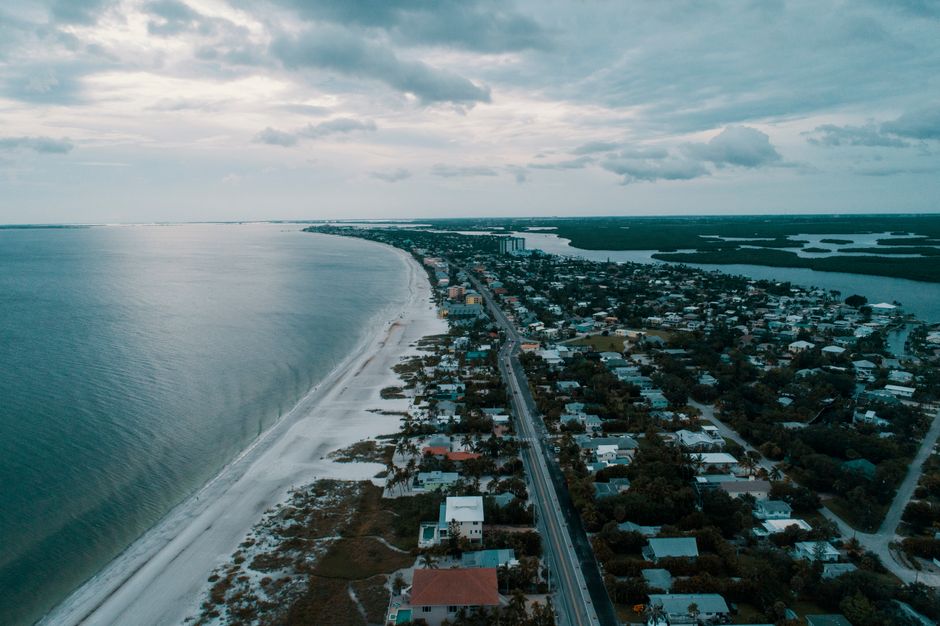
How the Percentage Math Works
Here is a simple illustration using a home with a $500,000 dwelling limit. If the policy calculates the hurricane deductible as a percentage of that limit, the math could look like this:
Hurricane deductible option Illustrative calculation Amount the homeowner may owe 2% $500,000 × 0.02 $10,000 5% $500,000 × 0.05 $25,000 10% $500,000 × 0.10 $50,000These are illustrative figures, not a quote or a statement about what every policy offers. Common hurricane deductible options: 2%, 5%, 10%, but available choices and policy details vary. Check which base amount the insurer uses and whether the policy has a minimum, maximum, or special rule.
For example, if covered hurricane damage is estimated at $40,000 and the applicable deductible is $25,000, the deductible alone can leave a substantial amount for the homeowner to fund. The insurer’s eventual payment also depends on the covered amount, policy limits, exclusions, claim adjustments, and other terms. The deductible is not a cap on repair costs; it is the homeowner’s initial share of a covered loss.
Dwelling Coverage vs. Hurricane Deductible
Policy term What it tells you Question to ask Dwelling coverage The policy limit for covered damage to the home’s structure Is this limit adequate for rebuilding my home today? Hurricane deductible The amount or percentage you may pay before insurance contributes to a qualifying hurricane loss What dollar amount does this percentage equal, and when does it apply?In short, dwelling coverage describes the policy’s potential protection for the house; the hurricane deductible describes an amount you may need to pay first. A high dwelling limit does not make a large percentage deductible easy to cover. In fact, because the deductible may be tied to that limit, a larger insured amount can mean a larger deductible in dollars.
Why the Cash Gap Can Be a Problem
A five-figure deductible can be difficult even for a household that is financially stable in ordinary conditions. Storm damage often arrives alongside other urgent expenses: temporary lodging, transportation, cleanup, protective materials, and costs to prevent further damage. Some of these expenses may or may not be covered, so homeowners should not assume the insurance payment will arrive immediately or cover every bill.
Post-storm liquidity can also be constrained. Banks may face heavy demand, local businesses may be disrupted, and contractors may require deposits or payment for materials before work can begin. Claims can take time to document, inspect, estimate, and resolve. Meanwhile, a roof repair or water-mitigation job may not wait for the final claim decision.
It is risky to count on borrowing as the backup plan. A HELOC or other new credit application can take time to underwrite and close. After a disaster, lenders may miamiweekly.com tighten requirements, pause certain applications, or be unable to move as quickly as a homeowner needs. Existing credit lines may also have terms and limits that matter. Do not treat access to new credit as guaranteed storm liquidity.
Plan Before the Storm, Not During It
The strongest preparation is usually a mix of policy review, cash planning, and organized records. Consider taking these steps before the season:
Find the declarations page. Locate the dwelling limit, hurricane deductible, other deductibles, and any windstorm-related provisions. Convert the percentage into dollars. Multiply the stated percentage by the applicable insured amount. Confirm the insurer’s calculation method rather than relying on an estimate. Ask about the trigger. Have your agent explain when the hurricane deductible applies, whether a separate windstorm deductible exists, and how the policy treats multiple events. Review rebuilding adequacy. Ask whether your dwelling limit reflects current local labor and material costs, additions, and upgrades. A real-estate sale price is not a rebuilding estimate. Set a practical reserve target. If possible, keep accessible funds for the deductible and immediate expenses. Separate emergency cash from money that is invested or difficult to access. Document the property. Keep a home inventory, receipts for major improvements, and dated photos or video in a secure location outside the home. Know the claim process. Save insurer and agent contact details, understand how to report a loss, and ask what documentation the company expects.
Can Investments or Valuables Help With Emergency Liquidity?
Some households consider borrowing against assets rather than selling them. For instance, a collateral loan—where a watch is held as security—is one possible financing structure offered by firms such as Diamond Banc. It is not a substitute for insurance or an emergency fund, and the borrower should understand the interest, fees, repayment deadline, valuation, and consequences of default before proceeding.
Before using a valuable as collateral, consider how its value is assessed and how quickly a transaction can actually be completed. Secondary market pricing trackers such as WatchCharts can offer reference points for certain watch models, but a tracker estimate is not a loan offer or guaranteed sale price. Condition, documentation, model, demand, and the lender’s own valuation standards can affect the amount available.
For broader investment or financial planning questions, a household may also speak with a qualified financial professional—for example, an adviser at Morgan Stanley—about how an emergency reserve fits into its overall plan. Any discussion should be specific to the family’s circumstances; no company or asset-based loan should be treated as a guaranteed post-storm solution.
Policy Basics Florida Homeowners Should Verify
Florida policies are not all identical, and insurance rules and forms can change. The declarations page is a useful starting point, but it is not the whole contract. Review the policy language for the hurricane definition, deductible calculation, claim conditions, exclusions, and any deadlines. Ask your insurer or licensed agent to clarify anything that is ambiguous.
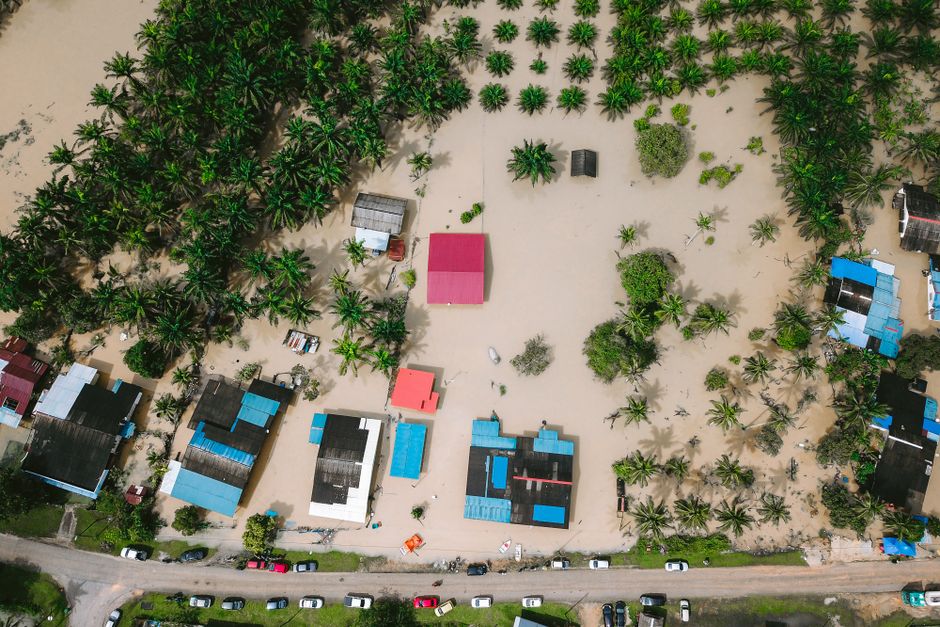
Also remember that a hurricane deductible and flood coverage are separate questions. Standard homeowners policies generally have limits on what they cover, and flood damage may require a separate flood policy. Storm surge and rising water are not automatically covered just because hurricane damage is covered. Confirm coverage before a storm threatens, when you still have time to compare options.
If you receive a claim estimate or payment that you do not understand, request an explanation of how the deductible was applied and how the covered damage was calculated. Keep copies of communications, estimates, invoices, and photos. For a dispute or complex claim, consider getting qualified professional guidance rather than relying on informal advice.
The Bottom Line
Dwelling coverage is the policy limit intended to protect the structure of your home against covered losses. The hurricane deductible is your share of a qualifying loss before insurance pays, and in Florida it is often expressed as a percentage. On a $500,000 dwelling limit, a 5% deductible could mean $25,000 out of pocket—an amount that can become a serious cash gap when repair work is urgent and credit is slow or uncertain.
Before storm season, confirm the deductible’s dollar value, understand when it applies, and make a plan for accessible funds. The best time to learn how your policy works is before you need to file a claim.